
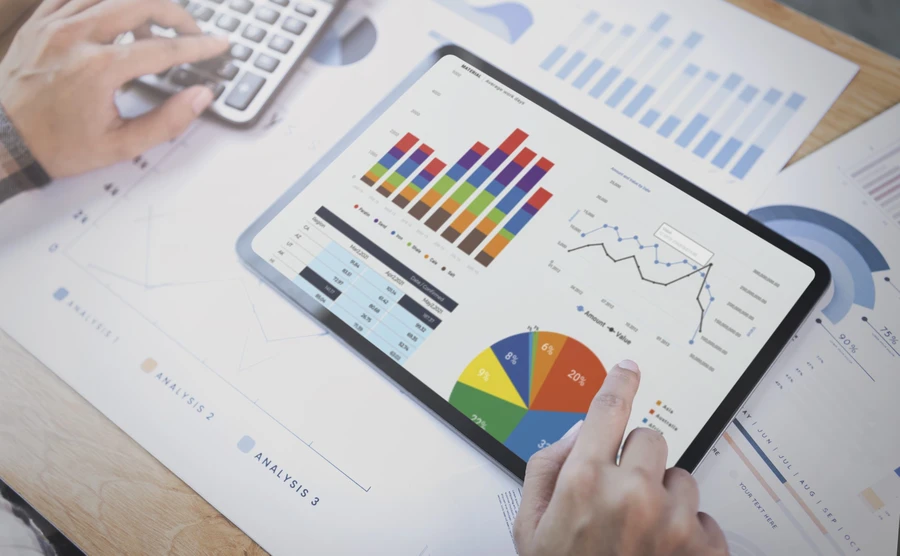
- Do you want to personalize your customers’ experience and affect them in the best way?
- Do you want Inform business decision-making to minimize financial losses, mitigate risk and handle setbacks?
- What about improving your business’s operational efficiency?
All these are easily possible if you truly harness the power of data analytics. What is data analytics? How can businesses use this tool effectively among the wide variety of data?
Let’s talk about it in this article of Night Agency.
What is Data Analytics?
We gain data from different parts of our business, such as sales and customer support teams, websites, social media, and advertising campaigns. By analyzing this information, we can identify patterns, trends, and insights that can help inform decision-making and drive business growth.
Data analytics is also a powerful tool for gaining our competitive edge and understanding customers’ interests and behaviors. However, we must know how to use data analytics efficiently to reach this point.
5 tips for how to use data analytics
Here are some tips on how to use data analytics to drive better business insights:
-
Define clear goals and objectives
Before diving into data analysis, defining what you want to achieve is essential. Ask yourself:
- What questions are you trying to answer?
- What metrics are you trying to improve?
- What data do you want to access?
- What data sources do you have or need?
- What do you wish to get from this data?
By clearly defining your goals and objectives, you can focus your analysis on the areas that matter most.

-
Choose the right collecting tools
To collect data, there are many channels and analytics tools available, which can be:
- Social media like Instagram and Twitter
- Google Tag manager
- Google Analytics
- Online and Offline Customer Journey
- Surveys
- past purchases
- Transactional tracking
- Lead generation forms
- Sign-ups for free trials and promotions
You should choose the ones that best meet your needs; consider factors such as ease of use, scalability, and integration with your existing systems.
-
Collect high-quality and relevant data
Data quality is also crucial to the accuracy and reliability of your analysis. Before spending time and money analyzing the collected information, make sure they are accurate, complete, from reliable sources, and up-to-date.
-
Analyze your data
Once you have your data and tools, it’s time to analyze your data. Look for patterns, anomalies, and trends in your data that may provide insights into your business operations.
-
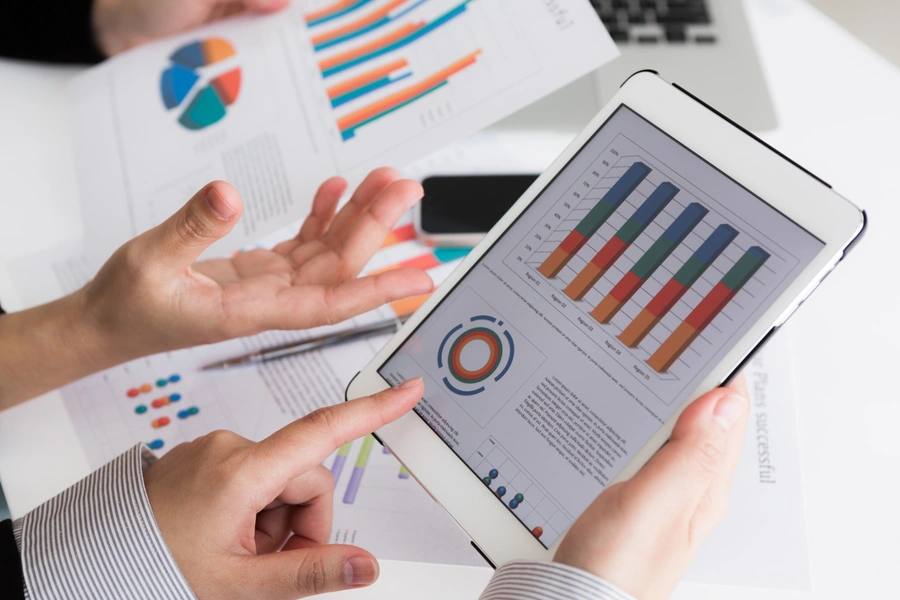
Communicate your findings and visualize them
It’s important to communicate your findings to key stakeholders in your organization. Use data visualization tools to help make your insights more accessible and understandable, and be prepared to answer questions and provide context around your analysis.
Wrap up
Following these steps, you can use data analytics to drive better business insights, make more informed decisions, optimize your marketing campaigns, improve customer retention, and streamline your supply chain. So, achieving your goals and staying ahead of the competition will be easy.
FAQ
What is data analytics?
Data analytics collects, organizes, and analyzes raw data to extract better business insights.
Why Use data analytics?
By analyzing data, you can:
- get a comprehensive view of their performance
- make informed business decisions
- understand your customers’ behaviors and needs
- create targeted marketing campaigns
- make practical personalization efforts to reach customers
- identify areas for improvement
How to use data analytics to drive better business insights?
- Define the goals of your data analysis
- Collect and organize your data
- Analyze the data and findings
- Visualize data and Extract insights
Leave a Reply